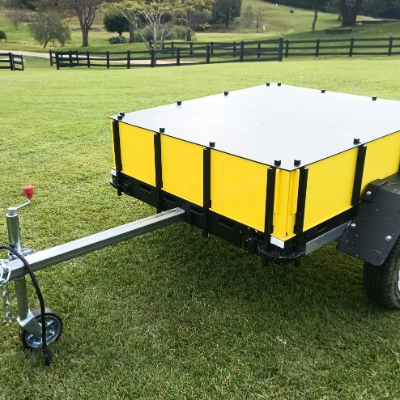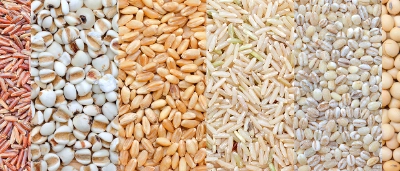
Dotmar offers a comprehensive range of engineering plastics tailored to the demanding needs of the agriculture sector, where resilience in unpredictable and non-ideal environments is paramount. With our wide selection, we provide durable solutions for any application, ensuring enduring performance in even the toughest conditions.
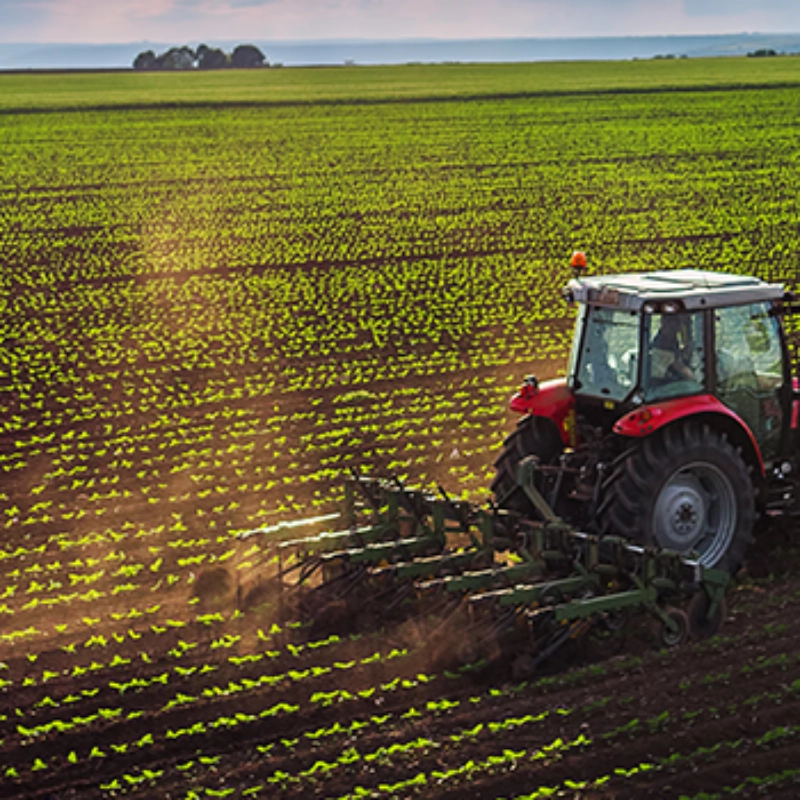
In farming, the need for wear and abrasion-resistant materials spans various applications. Plastics demonstrate their suitability even in harsh and non-ideal environments, such as those characterised by dirt and dust. Beyond sheer strength, toughness is a crucial attribute for materials employed in agricultural contexts. Nylon rods like Ertalon 6SA/66SA/6PLA offer a blend of toughness and flexibility, making them suitable for applications such Bo rods in grape and olive harvesters. UV-resistant materials play a pivotal role in outdoor applications like water tanks and vessels, with options such as Polystone 300 Black providing enduring UV resistance.
Moreover, PG100 is rated for at least 25 years of UV resistance in tanks. Within packing sheds, materials for conveying equipment, belts, machine guards (such as Polycarbonate), legs, fittings and rails, UV resistance is essential.
Washing equipment requires corrosion-resistant and chemically resistant materials, capable of withstanding washdowns involving hot water and caustic solutions, while remaining unaffected by water.
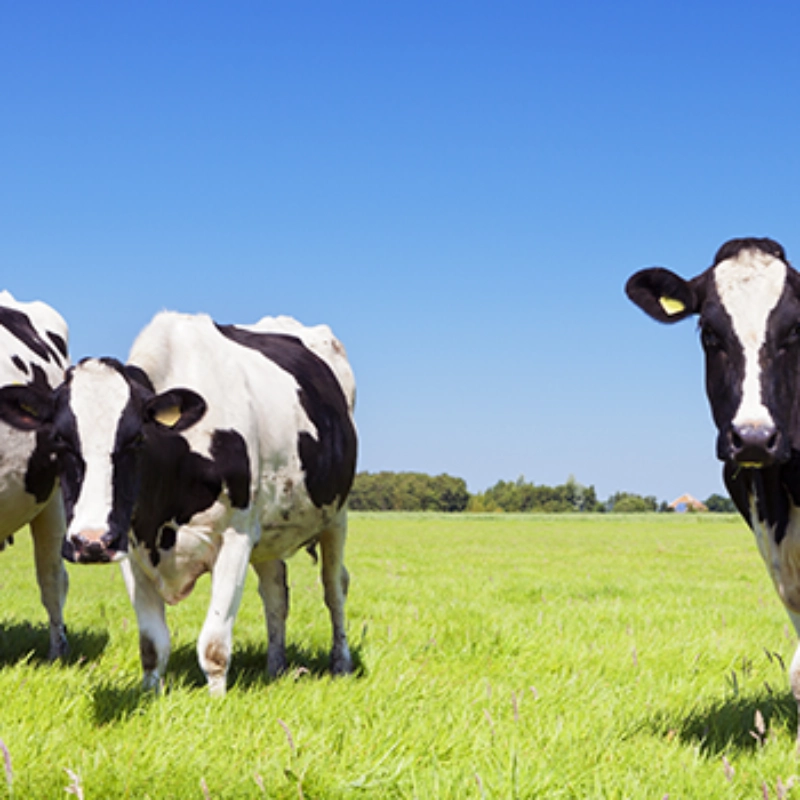
Enduring the demanding conditions of agricultural operations necessitates materials engineered for resilience. Consider the dairy industry, where rollers such as Ertalon 6 PLA play a pivotal role. These rollers strike an optimal balance between toughness and strength, crucial for enduring wear and abrasion in rotary dairies. Not only do these plastic rollers dampen noise, but they also mitigate metal-on-metal contact, providing robust resistance against corrosion and chemicals during intensive washdown procedures involving hot water and caustic solutions.
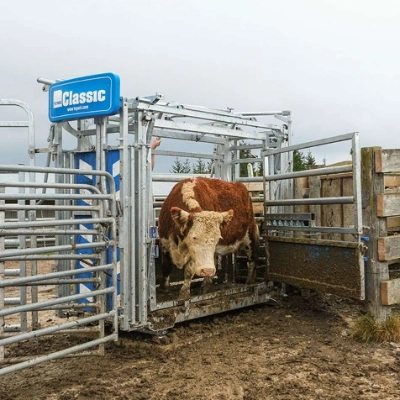
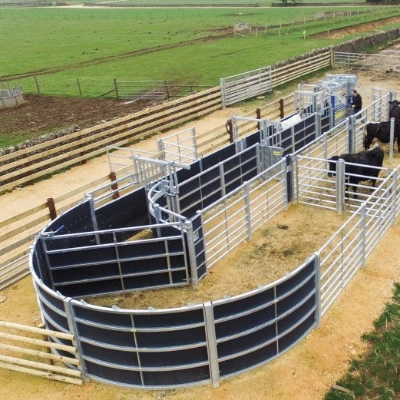
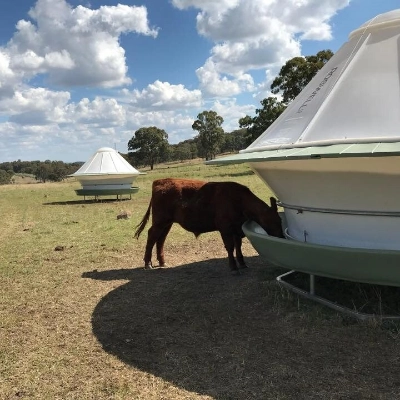
Similarly, in livestock handling applications, materials like Uniboard offer superior UV resistance, effectively replacing traditional wood and metal components. With its smooth surface properties, Uniboard ensures optimal livestock comfort while reducing friction and providing vision-restricting enclosures. Furthermore, Uniboard's exceptional impact resistance ensures durability, and unlike wood, won’t splinter even in high-impact environments. Utilising Uniboard for critical infrastructure such as pig pen walls and feeding troughs guarantees prolonged service life, thanks to its unparalleled resistance to rust and rot.
Additionally, certain plastics like Uniboard exhibit low moisture absorption, significantly mitigating bacteria proliferation and contributing to improved disease control within livestock facilities.
Featured applications
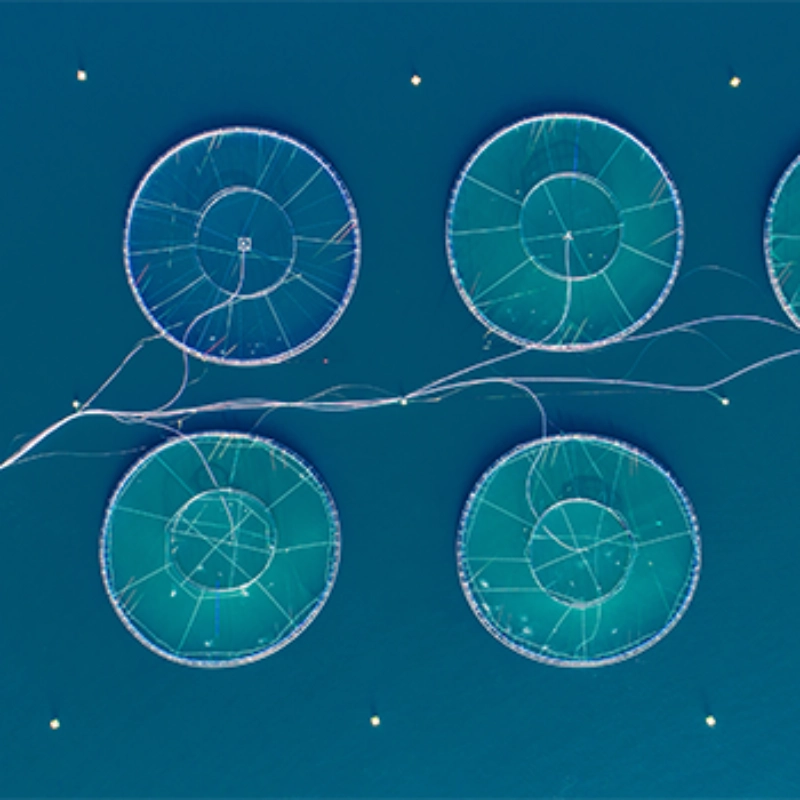
One of the primary considerations in aquaculture is the resistance to UV radiation and salinity, two factors that can significantly degrade conventional materials over time. Engineering plastics excel in this regard, providing exceptional UV resistance and the ability to withstand high salinity levels without deteriorating.
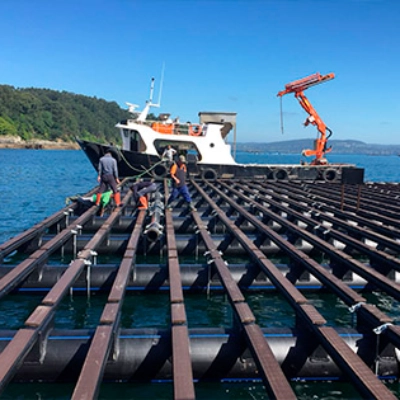
In off-shore fish farming, where exposure to both fresh and salt water environments is inevitable, buoyancy is a critical factor. Engineering plastics offer buoyant solutions that not only remain afloat but also maintain their structural integrity. These plastics, resistant to UV and salinity, are ideal for various components such as fittings, flanges, and tie-down lugs, providing reliability in challenging conditions.
When it comes to constructing fish farming pens, lightweight materials are essential to ensure buoyancy and ease of handling. Polystone 300 (HDPE), a UV-resistant engineering plastic, proves to be an excellent choice for this purpose. Its lightweight nature ensures that the pens remain afloat, while its UV resistance ensures longevity in the harsh aquatic environment.
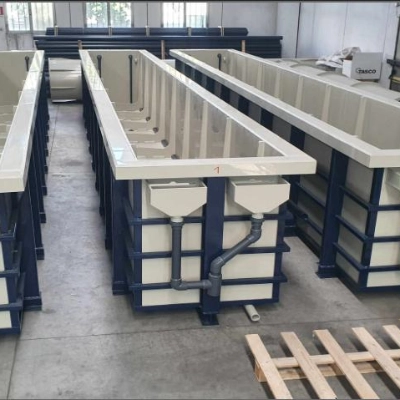
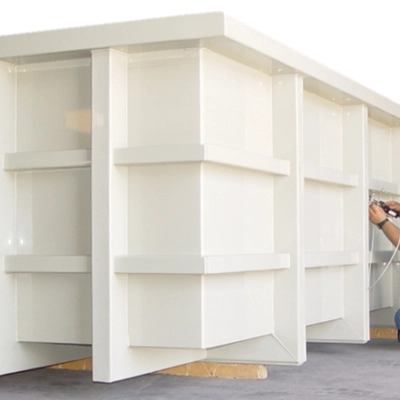
Fabricated plastic fish tanks represent another crucial application in aquaculture, providing a controlled environment for fish cultivation. Engineering plastics like Polystone 300, Polypropylene, and CUB X offer significant advantages over traditional materials such as fiberglass (FRP). CUB X, in particular, stands out for its minimal requirement for steel reinforcement, making it a cost-effective and durable option for larger tanks. These plastics are tougher and more customizable than roto-moulded tanks, allowing for tailored solutions to meet specific requirements.
Featured applications

In the equine industry, factors like UV resistance and durability are critical. To address these needs, engineering plastics like Uniboard and Polystone have emerged as exceptional alternatives to traditional wood materials.
These plastics offer a multitude of advantages over wood. They are moisture and rot resistant, eliminating the risk of decay and extending the lifespan of structures. Moreover, their odour resistance and inability to absorb smells make them ideal for washdowns, ensuring a clean and hygienic environment for horses.
One of the most significant benefits of using engineering plastics is their ability to prevent splintering. Unlike wood, which can splinter and cause injuries to horses, plastics provide a smooth and safe surface for animals to interact with.
Additionally, engineering plastics are UV resistant, making them suitable for outdoor applications such as fencing, shelters, and feeding bins. Their suitability for food and drinking water further enhances their versatility in equine applications.
Another crucial advantage of engineering plastics is their hygienic properties. Unlike wood, which can promote the growth of bacteria due to moisture absorption, plastics do not support bacterial growth. Moreover, anti-microbial plastics like Troblock F & M actively combat bacteria, making them suitable for even the food and medical industries.
Uniboard and Polystone are not only beneficial for building structures like stables and horse floats but also find use in constructing storage bins and feeding bins. Their durability and versatility make them indispensable materials for modern equine facilities, ensuring the comfort, safety, and health of horses.
Featured applications
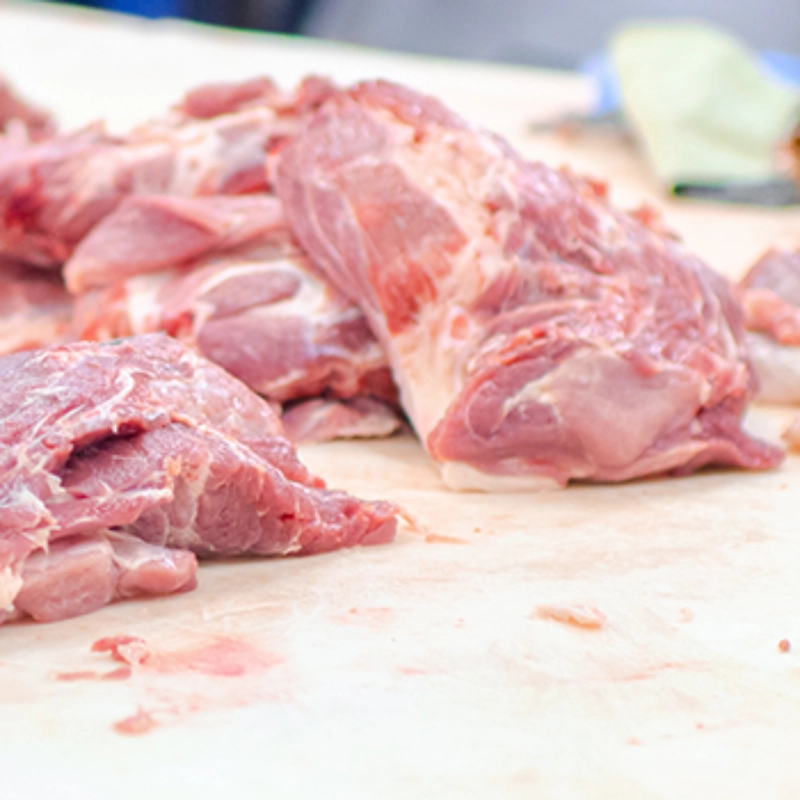
Abattoirs pose unique challenges due to their wet environments, which can promote bacteria growth. In food processing, ensuring a hygienic environment is paramount to prevent the spread of diseases among workers and consumers alike.
Engineering plastics like Ertalyte offer a solution to these challenges. Unlike traditional materials, Ertalyte does not absorb moisture, making it resistant to staining and odours. Its suitability for food contact and ability to withstand harsh washdowns make it ideal for various applications, including cutting boards.
Dotmar goes even further by offering anti-microbial plastics like Trobloc F. Infused with silver ions, these plastics actively inhibit bacteria growth and proactively kill bacteria, further enhancing hygiene standards in abattoirs.
In addition to providing engineering plastics for various applications, Dotmar offers the largest range of conveyor parts and products tailored for abattoirs. From chain tracks for hangings to machine guards and conveyor parts, Dotmar's solutions contribute to maintaining hygiene and efficiency in abattoir operations.
Featured applications
Download our brochures for further details

Insights
Water Absorption of Nylons Pros, Cons and Busting Myths
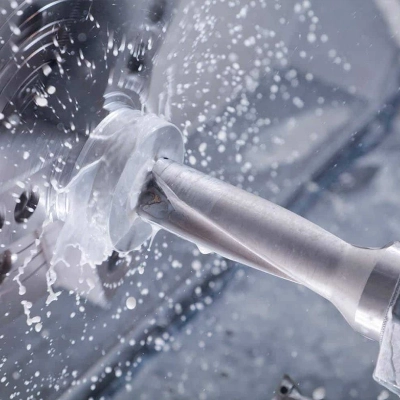
Tips for Turning and Drilling Engineering Plastics

Significantly Reduce Your Hangup and Carryback to Optimise Your Mining Operations
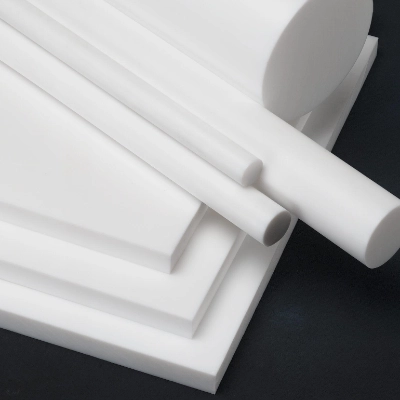
What Is PTFE? Engineering Guide to Polytetrafluoroethylene
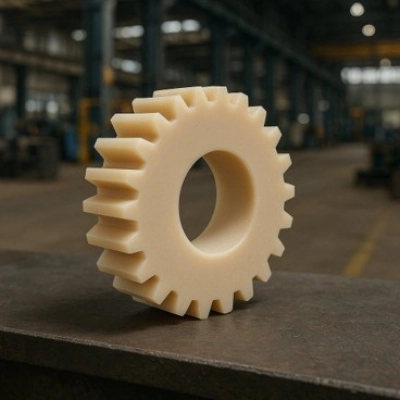
Plastic Manufacturing Techniques: Injection
Moulding vs Machining vs Custom Casting
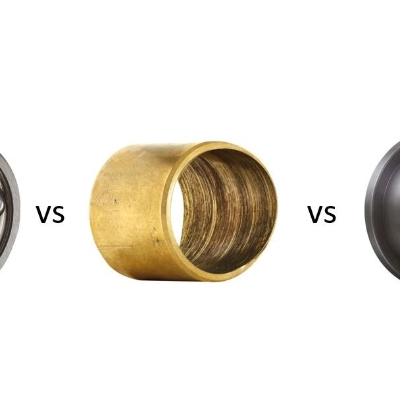
Why use Engineering Plastic Bearings and Bushes?
What Is PP Plastic?
Flametech AST vs AST vs P7000 Article
Plastic Abbreviations
Plastics Properties Table

Plastics Designing for Thermal Expansion
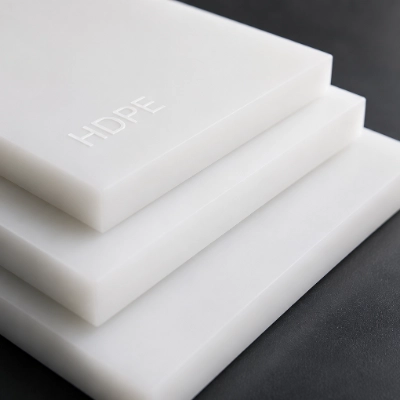
What Is HDPE?

Antistatic vs Static Dissipative Plastics
REXNORD curve system with 1540 series MatTop
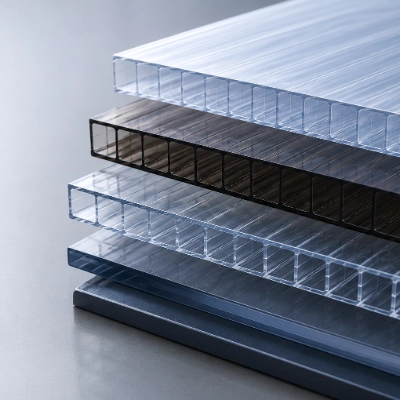
What is Polycarbonate
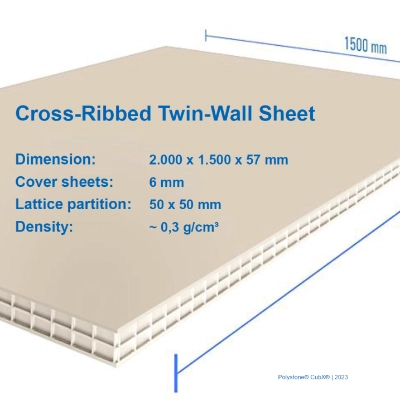
Polystone CubX A Revolution in Rectangular Thermoplastic Tanks

Plastic Technical Tip-Water absorption in Nylon
Performance Pyramid
UHMWPE-Why Does Molecular Weight matter?
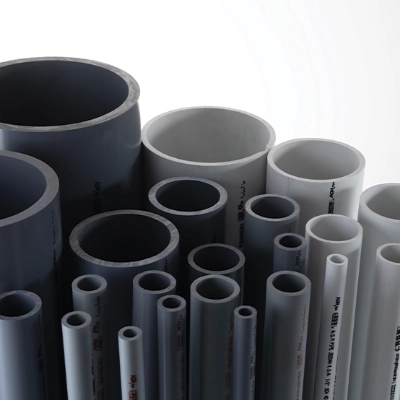
HDPE vs PP vs PVC
What is Nylon
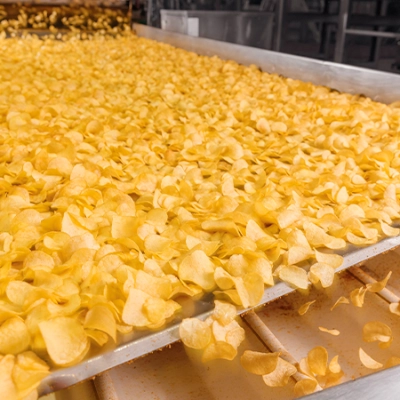
Vibratory Conveyor Systems in the Food Industry
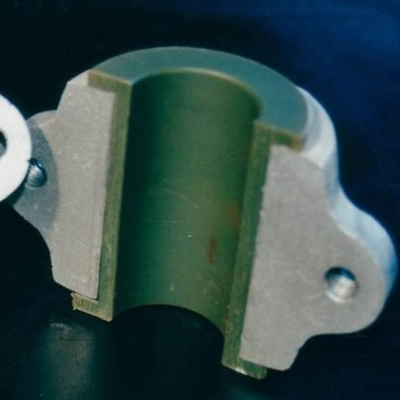
Understanding Friction in Plain Bearings and Bushes
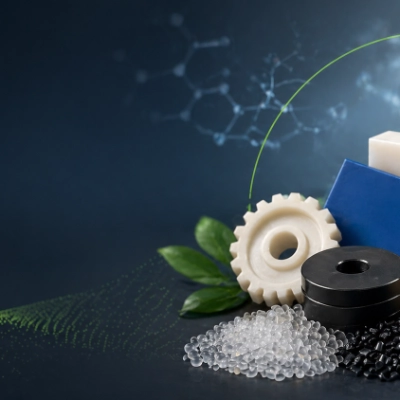
Understanding PFAS and the Role of “Polymers of Low Concern” in Engineering Plastics
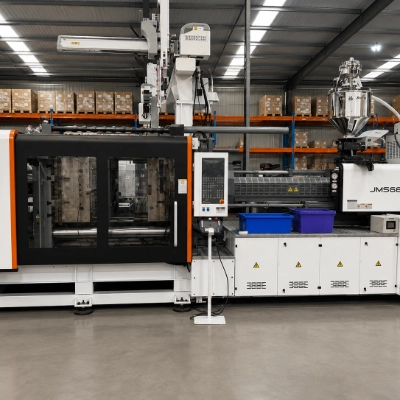
Sustainability in Practice: Recycling Plastics at Dotmar Injection
Moulding
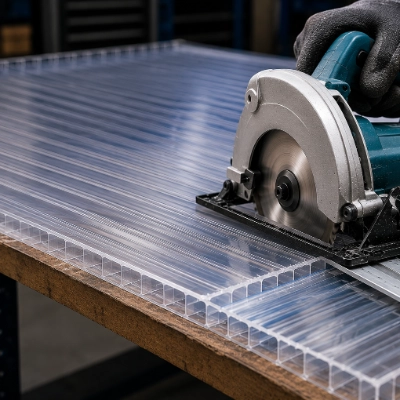
How To Cut Polycarbonate Sheet
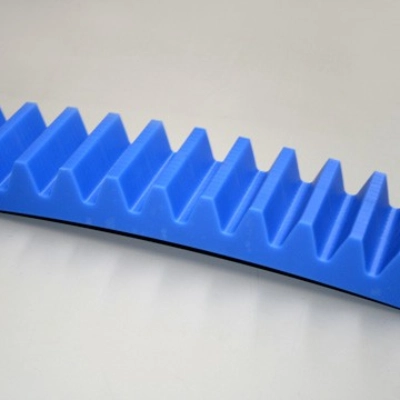
How Is Nylon Produced? Complete Engineering Manufacturing Guide
What Is a Sprocket? Types, Uses & How It Works - Dotmar
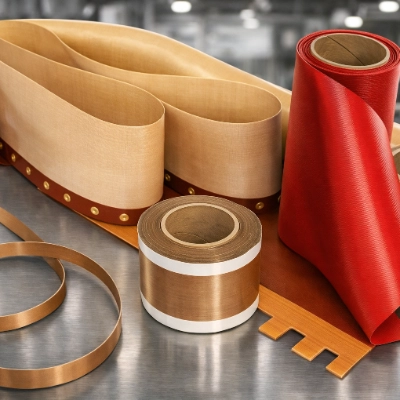
High‑Performance Coated Fabrics & Conveyor Belting
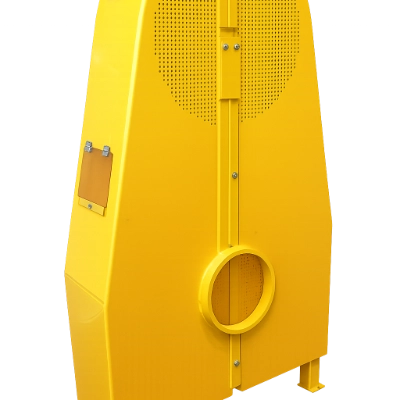
PE80 vs PE100 HDPE
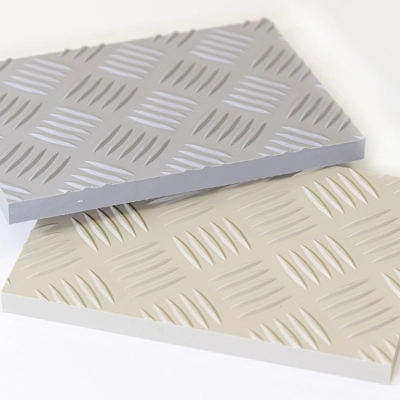
Dual-Finish HDPE Sheet: One Surface, Two Smart Benefits
What Is PTFE? Engineering Guide to Polytetrafluoroethylene
What Is PP Plastic?
What is Nylon
Vibratory Conveyor Systems in the Food Industry
How Is Nylon Produced? Complete Engineering Manufacturing Guide

Rochling-Reloop: Leading the Way in Sustainable Plastics
High‑Performance Coated Fabrics & Conveyor Belting
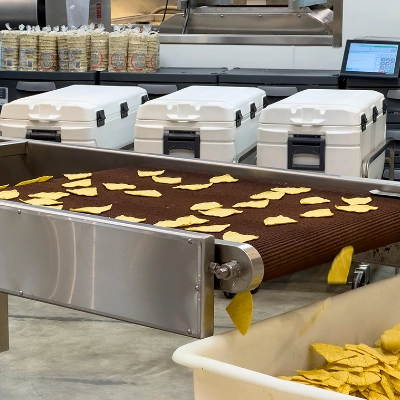
PTFE Coated Glass Fabric – Tortilla & Flat Bread baking Applications
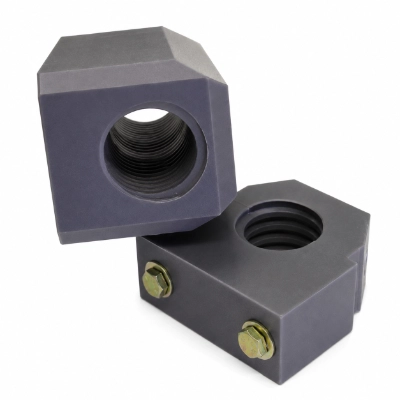
Nylon – The Great All-Rounder of Engineering Plastics
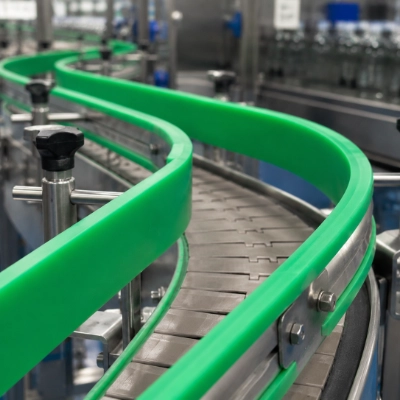
Polyethylene Moisture Resistance in the Food Industry
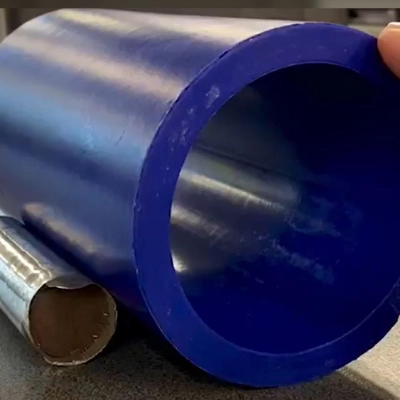
Ticomp MD – Detectable PTFE for Demanding Food Industry Applications
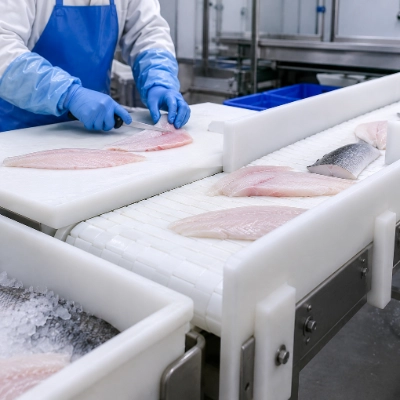
HDPE: The Versatile Engineering Plastic for the Food Industry
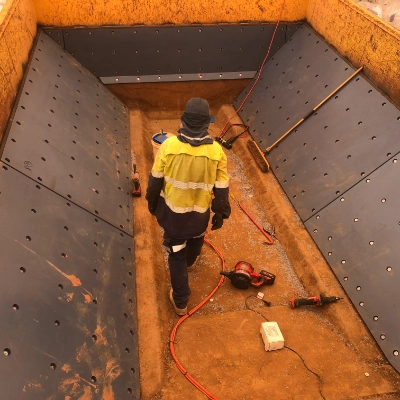
Mining Lining
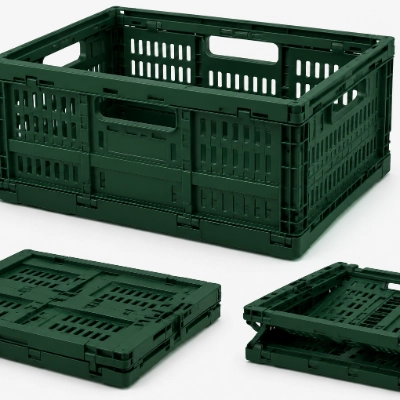
HDPE Collapsible Containers Supporting Click n Collect
PE80 vs PE100 HDPE
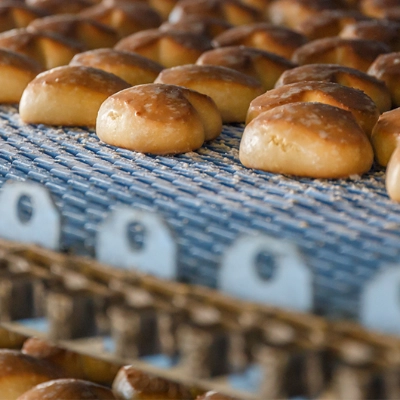
Conveyor Products & Total Solutions for the Food and Beverage Processing & Packaging Industries
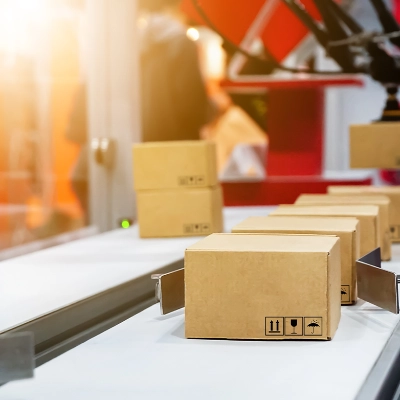
Resistawear: Low Friction and Abrasion Resistant Tape
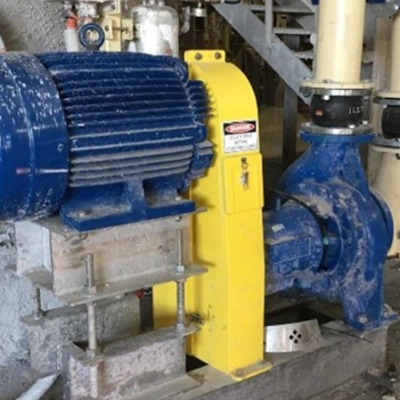
Plastic Machine Guarding - Managing the Risks of Plant in the Workplace
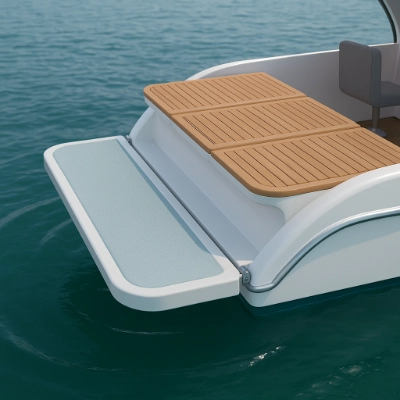
Polystone G Checkerplate - Boat Applications
Dotmar PTFE: Benefits & Capabilities
Fibre Composite Vibratory Springs: High-Performance Spring Technology for Modern Vibratory Systems
PETP - The Engineering Plastic That Excels in Bearing Wear Applications

Sentinel Boats: Pioneering Defence Durability with Polystone PG100 HDPE
What Is PTFE? Engineering Guide to Polytetrafluoroethylene
Plastic Manufacturing Techniques: Injection
Moulding vs Machining vs Custom Casting
What Is PP Plastic?
What Is HDPE?
What is Polycarbonate
What is Nylon
Vibratory Conveyor Systems in the Food Industry
How To Cut Polycarbonate Sheet
How Is Nylon Produced? Complete Engineering Manufacturing Guide
High‑Performance Coated Fabrics & Conveyor Belting
Polyethylene Moisture Resistance in the Food Industry
Ticomp MD – Detectable PTFE for Demanding Food Industry Applications
HDPE: The Versatile Engineering Plastic for the Food Industry
HDPE Collapsible Containers Supporting Click n Collect
PE80 vs PE100 HDPE
Plastic Machine Guarding - Managing the Risks of Plant in the Workplace
Polystone G Checkerplate - Boat Applications
Fibre Composite Vibratory Springs: High-Performance Spring Technology for Modern Vibratory Systems
Craig “Stinger” Lymbery
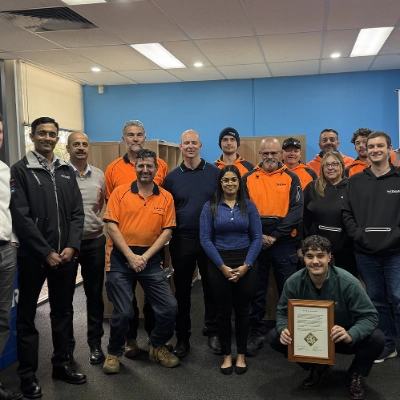
Dotmar Victoria Receives PACCAR Kenworth Quality Award

From The Netherlands to Queensland: Cindy Kokkelkoren’s Journey with Dotmar Engineering Plastics
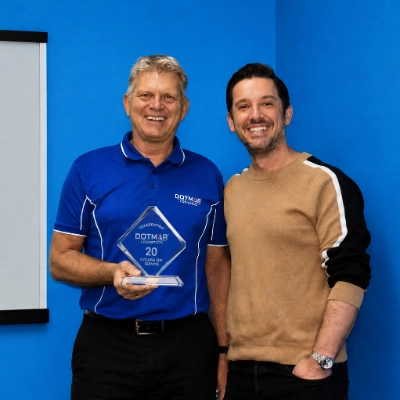
Life of Mick De Reus
Plastic Manufacturing Techniques: Injection
Moulding vs Machining vs Custom Casting
Why use Engineering Plastic Bearings and Bushes?
Plastic Abbreviations
Plastics Properties Table
Plastics Designing for Thermal Expansion
What Is HDPE?
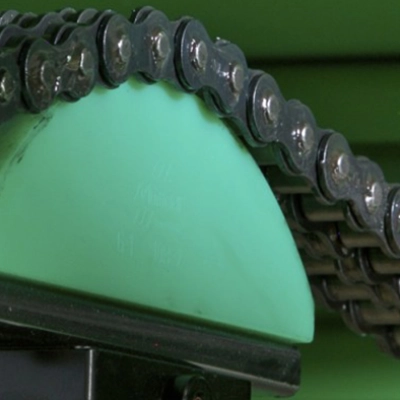
Chain Tension-Right, or Short Chain Life
What is Polycarbonate
Polystone CubX A Revolution in Rectangular Thermoplastic Tanks
UHMWPE-Why Does Molecular Weight matter?
High‑Performance Coated Fabrics & Conveyor Belting
Polyethylene Moisture Resistance in the Food Industry
Ticomp MD – Detectable PTFE for Demanding Food Industry Applications
HDPE: The Versatile Engineering Plastic for the Food Industry
HDPE Collapsible Containers Supporting Click n Collect
PE80 vs PE100 HDPE
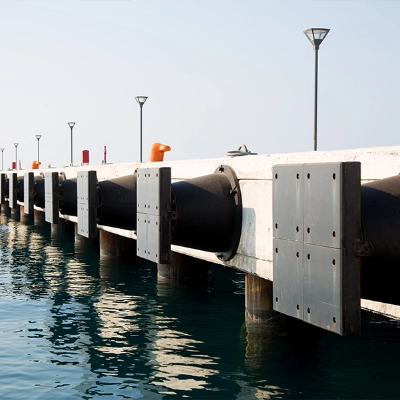
Low Friction Wear Pads
Polystone G Checkerplate - Boat Applications
Craig “Stinger” Lymbery
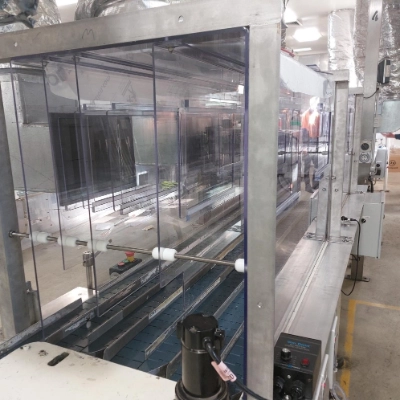
Cooling Tunnel for Hot Filling Line
Dotmar Victoria Receives PACCAR Kenworth Quality Award
From The Netherlands to Queensland: Cindy Kokkelkoren’s Journey with Dotmar Engineering Plastics
Life of Mick De Reus
Craig “Stinger” Lymbery
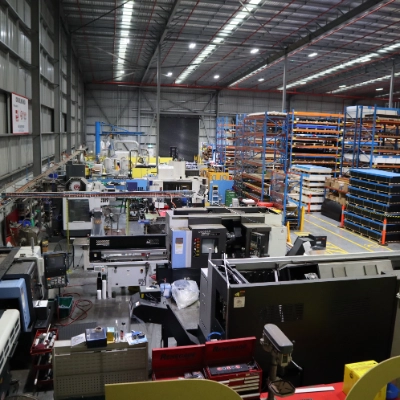
Why Local Manufacturing is the Smarter Choice in 2025
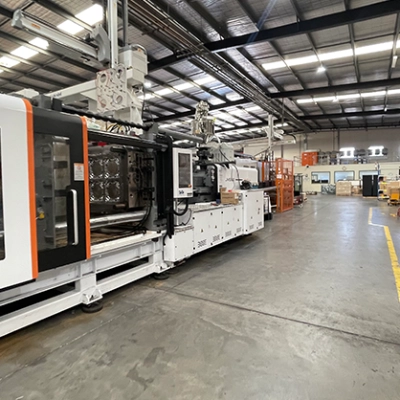
Dotmar Injection Moulding
Dotmar Victoria Receives PACCAR Kenworth Quality Award
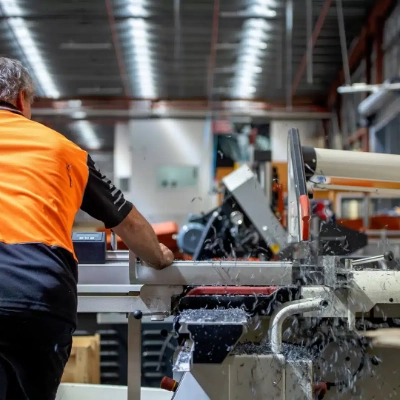
Dotmar Engineering Plastics Acquires Kormax Plastics Division
From The Netherlands to Queensland: Cindy Kokkelkoren’s Journey with Dotmar Engineering Plastics
Computaleta
Joins MM Plastics to Strengthen Market Reach and Customer Support in New
Zealand
Dotmar Engineering
Plastics Expands Capabilities with Fluoro Pacific Consolidation
Regina - Exclusive to Dotmar Engineering Plastics
MM Plastics Invests in New Victorian Super Site
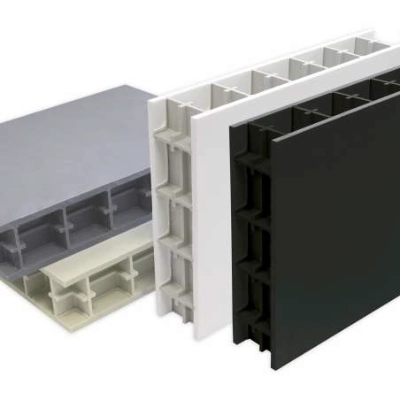
Comparing the technical and commercial benefits of Polystone P CubX for rectangular plastic fabricated tanks and vessels
Cooling Tunnel for Hot Filling Line
Sentinel Boats: Pioneering Defence Durability with Polystone PG100 HDPE