Understanding the real difference
When comparing grades of High Density Polyethylene (HDPE), it’s easy to assume that a higher number automatically means a dramatically stronger material across the board. In reality, the difference between PE80 and PE100 is more specific — and more application-dependent — than many realise.
At Dotmar, these materials are supplied as:
- PE80 Polystone G 300
- PE100 Polystone PG100
While PE100 is often promoted as the “higher strength” grade, the key distinction is not in short-term mechanical performance, but in its ability to withstand higher long-term design loads.
Similar Mechanical Properties – Different Long-Term Design Capability
When reviewing technical data sheets for PE80 and PE100, many of the standard mechanical properties appear almost identical:
- Tensile strength
- Impact resistance
- Elongation
- Hardness
- Wear resistance
- Chemical resistance
In practical engineering terms, the short-term loading performance of the two materials is very similar.
The real advantage of PE100 is its higher Minimum Required Strength (MRS) under long-term loading conditions:
- PE80 = 8 MPa
- PE100 = 10 MPa
This distinction becomes highly important in applications where the material is subjected to continuous stress over many years.
Why PE100 Matters for Tanks & Pipes
The higher long-term allowable stress of PE100 provides significant advantages in:
- Pressure pipe systems
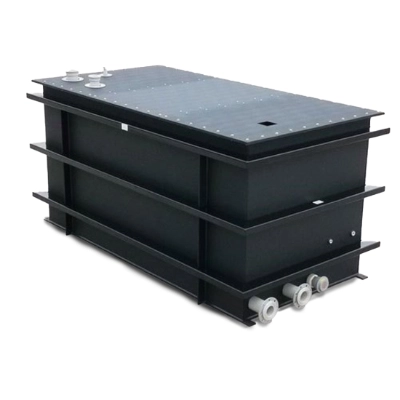
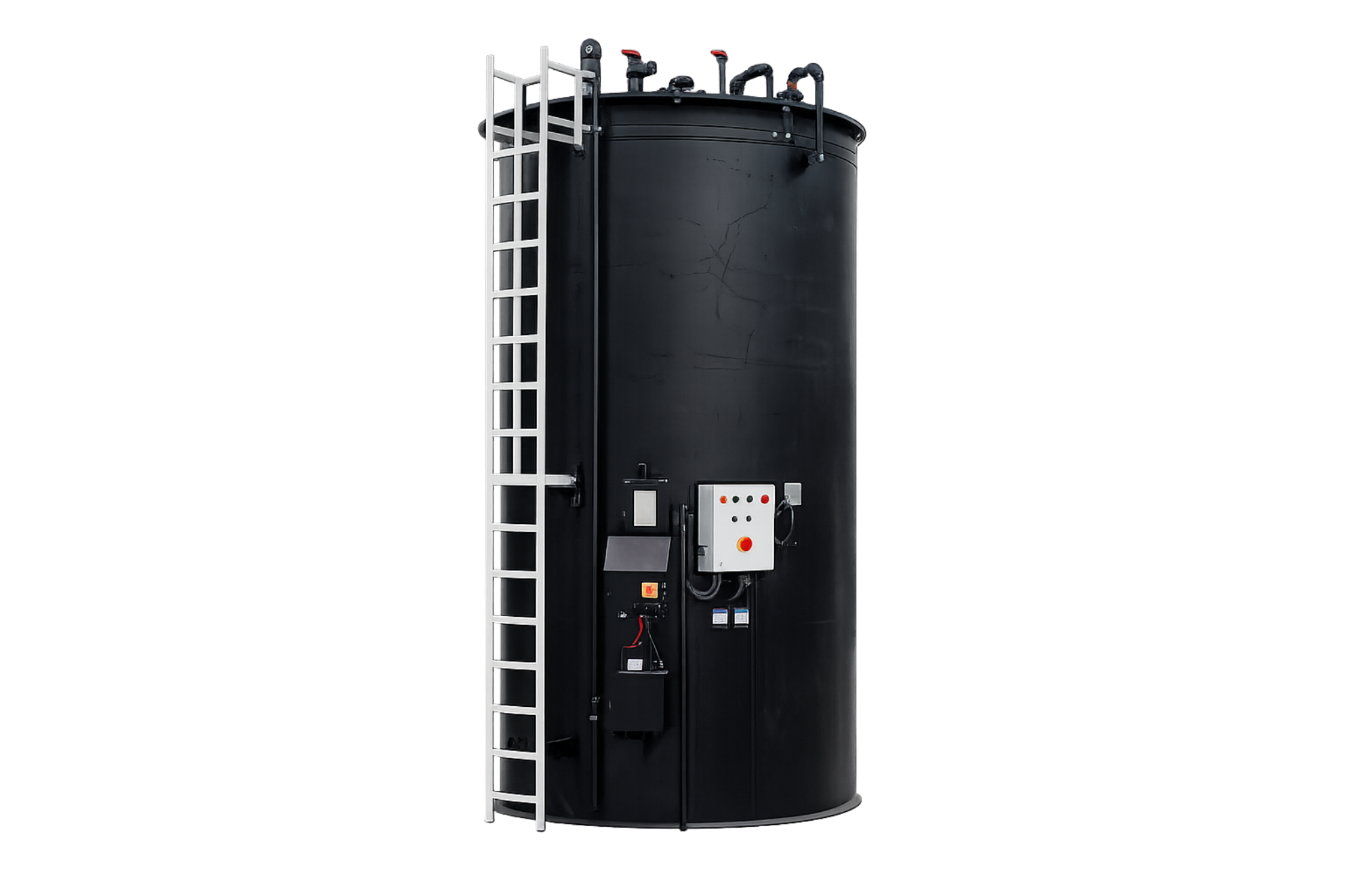
- Chemical storage tanks
- Water storage vessels
- Continuous-load fabricated structures
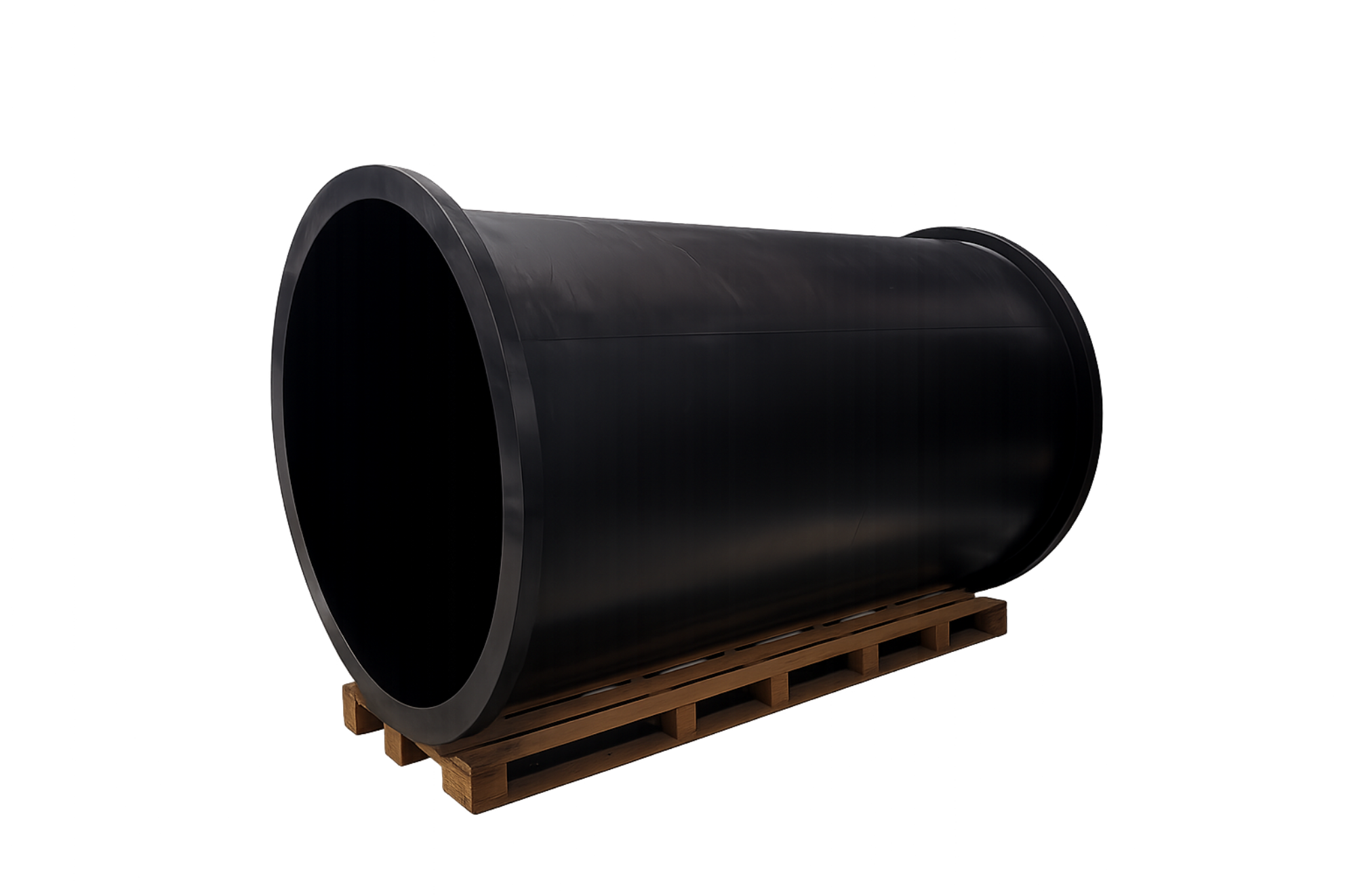
For fabricated storage tanks in Australia and New Zealand, the governing design approach is based on the German DVS standards, which are referenced by local tank design standards.
Under these standards:
- Both PE80 and PE100 are permitted materials
- PE80 is assigned a lower allowable design hoop stress
- PE100 is permitted a higher long-term design stress
The practical outcome is straightforward:
- A PE80 tank generally requires approximately 25% greater wall thickness than an equivalent PE100 tank for the same service conditions.
What Does the Increased Wall Thickness Mean?
Technically, PE80 can absolutely be used to fabricate safe and compliant chemical storage tanks. In many cases, tanks manufactured from PE80 will still fully comply with Australian, New Zealand and DVS requirements.
However, the increased wall thickness can create practical challenges:
- Increased tank weight
- Higher material consumption
- Greater welding time
- Increased fabrication labour
- Reduced ease of rolling thick sheet into cylinders for round tanks
In many cases, the lower raw material cost per kg of PE80 does not fully offset the additional material thickness and fabrication effort required.
That said, where PE100 availability is limited, PE80 remains a technically sound and standards-compliant alternative.
For General Engineering Applications, PE80 Often Performs Just as Well
Outside of long-term stress applications such as tanks and pressure pipe, the differences between PE80 and PE100 become far less significant.
For many general engineering applications, PE80 is often equally suitable, including:
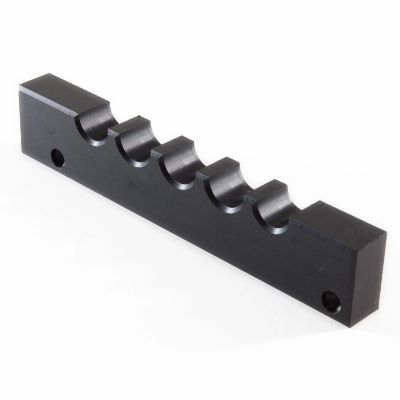
- Machined components
- Protection plates
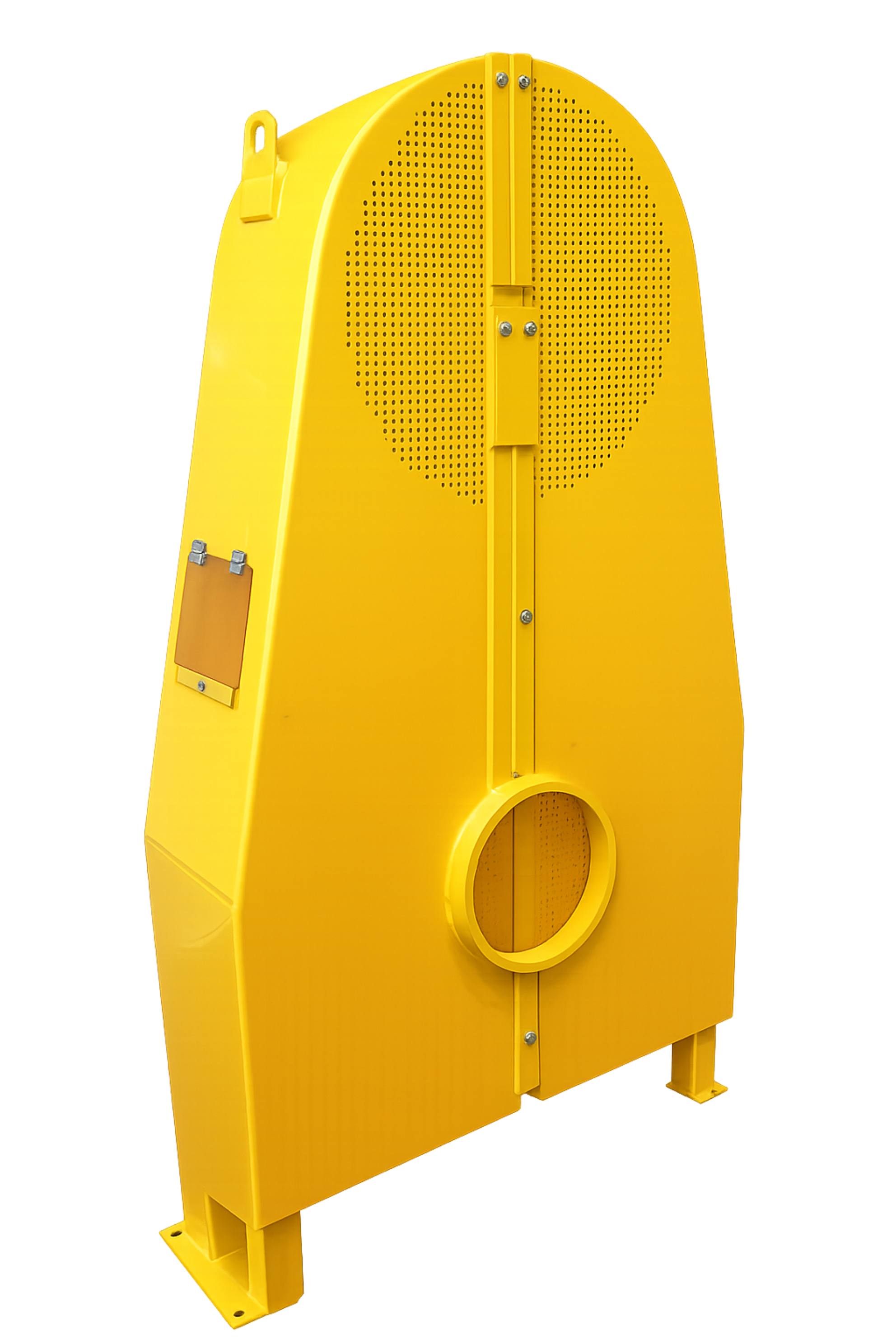
- Safety Guards
- General fabrication
An Additional Advantage of Polystone PG100
In addition to its improved long-term design capability, Polystone PG100 offers another important benefit for Australian and New Zealand projects.
It has been tested and approved to:
- AS/NZS 4020 – Testing of products for use in contact with drinking water
This approval makes it particularly suitable for:
- Potable water storage tanks
- Water treatment applications
- Drinking water infrastructure
- Food and beverage water systems
At present (May 2026), Dotmar’s Polystone PG100 is the only HDPE material in the region known to hold this approval status.
The Bottom Line
PE100 is not dramatically “stronger” than PE80 in the conventional sense. The two materials exhibit very similar short-term mechanical properties and perform similarly in many engineering applications.
The real advantage of PE100 lies in its improved long-term stress capability, making it the preferred choice for:
- Pressure pipes
- Chemical storage tanks
- Potable water systems
- Continuous-load applications