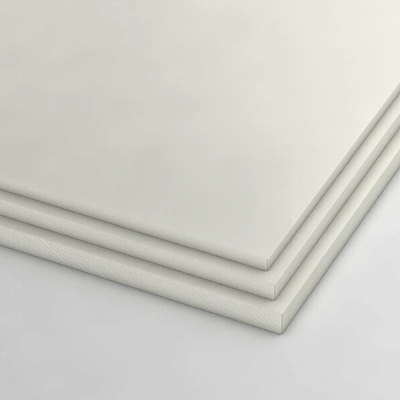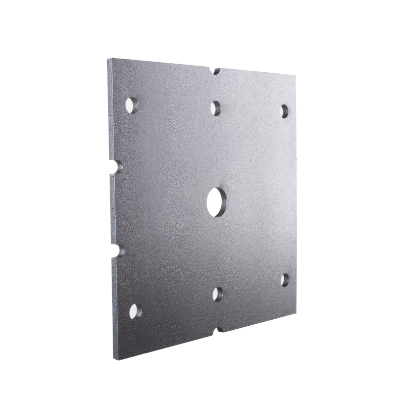
PP plastic, or polypropylene, is a lightweight plastic material made from propylene. It is known for being strong, resistant to many chemicals, easy to recycle, and cost-effective to manufacture.
Because it combines durability with a relatively low weight, PP plastic is used in a huge range of products, from food containers and packaging to automotive parts and industrial equipment. It also performs well in wet environments and can withstand repeated bending without cracking.
In this guide, we'll explain what polypropylene is, its key properties, common grades, typical uses, how it can be joined or bonded, and whether it is safe to use.
TABLE OF CONTENTS
| 01 | Meaning of PP Plastic |
| 02 | PP Plastic Properties and Characteristics |
| 03 | Types of PP Plastic: Homopolymer vs Copolymer |
| 04 | What Is PP Plastic Used For? |
| 05 | PP vs ABS Plastic: Key Differences |
| 06 | How to Bond and Glue PP Plastic |
| 07 | Is PP Plastic Safe and Recyclable? |
| 08 | Frequently Asked Questions |
Meaning of PP Plastic
PP stands for polypropylene, a semi-crystalline thermoplastic polymer with the chemical formula (C₃H₆)n, formed through the polymerisation of propylene gas. This creates a material that is lightweight, durable, resistant to chemicals, and suitable for a wide variety of products.
PP plastic is the second most widely used plastic in the world after polyethylene. Its popularity comes from its versatility, affordability, and reliable performance across many different environments.
First developed commercially in the 1950s, PP plastic quickly became a popular choice for manufacturers because it offers a strong balance of strength, flexibility, and chemical resistance.
Polypropylene is also recyclable and is identified by the number 5 recycling symbol. Its combination of performance, value, and recyclability continues to make polypropylene one of the most widely used plastics in the world today.
PP Plastic Properties and Characteristics
PP plastic is valued across industries because it offers a practical combination of strength, chemical resistance, low weight, and durability. It performs reliably in demanding environments while remaining cost-effective compared to many other engineering plastics.
One of PP's biggest advantages is its resistance to chemicals. It can withstand exposure to many acids, alkalis, and organic solvents without degrading. It also absorbs very little moisture, helping it maintain its shape and performance in wet or humid environments.
Table 1. Polypropylene (PP) Properties
| Property | Typical Value |
|---|---|
| Density | 0.895-0.92 g/cm³ |
| Tensile Strength | 30-40 MPa |
| Melting Point | 130-171°C |
| Moisture Absorption | Very Low |
| Chemical Resistance | Excellent |
| Impact Resistance | Good |
| Electrical Insulation | Excellent |
| Weight | Lightweight |
Types of PP Plastic: Homopolymer vs Copolymer
Not all PP plastic is the same. Different grades are designed to deliver specific performance characteristics, making it important to choose the right type for your application.
The two main categories are PP homopolymer and PP copolymer.
PP Homopolymer
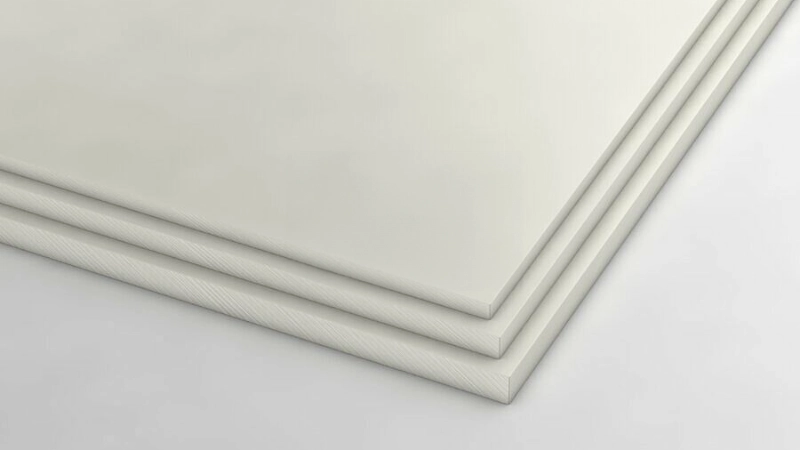
Polystone P Homopolymer UV sheets
PP homopolymer is the most commonly used form of polypropylene. It offers higher stiffness, greater strength, and better heat resistance than most copolymer grades. It's well suited to rigid structural components and chemical tanks. A good example is Polystone PP (H), a high-performance homopolymer available in Australia.
PP Copolymer
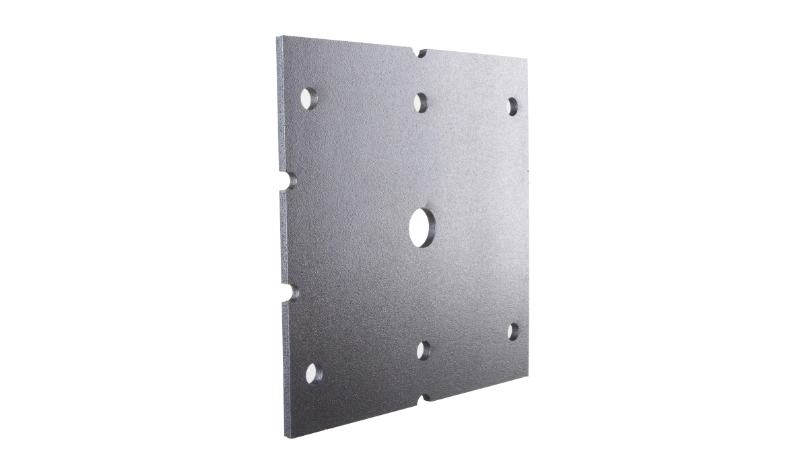
Uniboard/Foamlite ECO panel
PP copolymers are modified versions of polypropylene designed to improve toughness and impact resistance. Copolymer variants include random and block.
- Random copolymer PP plastic provides improved clarity and flexibility. It is suitable for food containers, packaging, medical products, and consumer goods where visibility and appearance are important. An example is Foamlite/Uniboard ECO panels.
- Block copolymer PP plastic offers enhanced impact resistance and toughness. It is a popular choice for engineering applications where components may be exposed to impact, vibration, or colder operating conditions.
What Is PP Plastic Used For?
In industrial environments, PP plastic is commonly used to manufacture chemical storage tanks, fume cupboards, electroplating barrels, pipe flanges, ducting systems, food processing containers, and water treatment equipment. Its excellent resistance to acids, alkalis, and moisture makes it particularly valuable in chemical processing and corrosive environments where metal components may degrade over time.
Beyond industrial applications, PP plastic is widely used in packaging, food containers, medical devices, laboratory equipment, and household products.
For more information on available grades and sheet materials, explore Dotmar's polypropylene products.
PP vs ABS Plastic: Key Differences
PP plastic and ABS are both popular plastics, but they are designed for different applications.
Table 2. PP vs ABS Plastic Properties
| Property | PP | ABS |
|---|---|---|
| Density | Lower | Higher |
| Weight | Lighter | Heavier |
| Chemical Resistance | Excellent | Moderate |
| Surface Finish | Functional | Excellent Quality |
| Paintability | Difficult | Easy |
| Stiffness | Good | Good |
| Impact Resistance | Moderate to Good | Excellent |
| Cost | Lower | Higher |
PP plastic is often chosen for chemical processing, water treatment, food production, and industrial fabrication because of its superior chemical resistance and lower weight.
ABS is commonly used when appearance matters. It offers a smoother finish and is easier to paint, plate, and customise, making it popular for consumer products, automotive interiors, and equipment housings.
Adhesive for PP Plastic
One of the challenges with PP plastic is bonding it effectively. PP has a low surface energy and a non-polar surface, which makes it difficult for many adhesives to form a strong bond.
To improve adhesion, the surface often requires preparation through methods such as flame treatment or plasma treatment. These processes modify the surface and allow adhesives to bond more effectively.
Best glue for PP plastic include:
- Cyanoacrylate (super glue) used with a polypropylene primer
- Two-part epoxy systems used with adhesion promoters
- Structural acrylic adhesives
For industrial applications, welding is often preferred over adhesives. Ultrasonic and hot plate welding can create strong, reliable joints while maintaining the material's chemical resistance and durability.
Is PP Plastic Safe and Recyclable?
PP plastic is widely regarded as a safe material for food contact applications and is BPA-free. It is commonly used in food packaging, storage containers, and processing equipment.
PP is also recyclable and carries the recycling code number 5. Many recycling programs accept polypropylene, allowing it to be reprocessed into new products.
As sustainability becomes increasingly important, recycled PP plastic is being incorporated into a growing range of industrial and commercial applications.
Frequently Asked Questions
What is the meaning of PP plastic?
PP plastic stands for polypropylene, a lightweight, chemically resistant thermoplastic.
Is PP plastic safe?
Yes. PP plastic is widely used in food containers, packaging, and processing equipment and is generally considered safe for food contact applications.
What is the best glue for PP plastic?
Recommended adhesives for PP plastic include cyanoacrylate with a PP primer, structural acrylic adhesives, and certain epoxy systems used with adhesion promoters.
What is the difference between PP and ABS plastic?
PP plastic offers better chemical resistance and lower weight, while ABS provides a better surface finish, greater paintability, and improved appearance for decorative applications.
Is PP plastic the same as polypropylene?
Yes. PP is simply the abbreviated name for polypropylene.
Can PP plastic be welded?
Yes. PP plastic can be welded using methods such as hot plate welding, extrusion welding, and ultrasonic welding, making it a popular choice for tanks, pipework, and fabricated industrial equipment.