When manufacturing a plastic component, choosing the right production method can have a significant impact on cost, lead time, design flexibility and performance.
For engineering plastic parts, three common manufacturing approaches that Dotmar ustilise are machining, injection moulding and custom casting. Each has advantages and limitations, and the most suitable option will depend largely on the part size, quantity, geometry and material requirements.
Machining
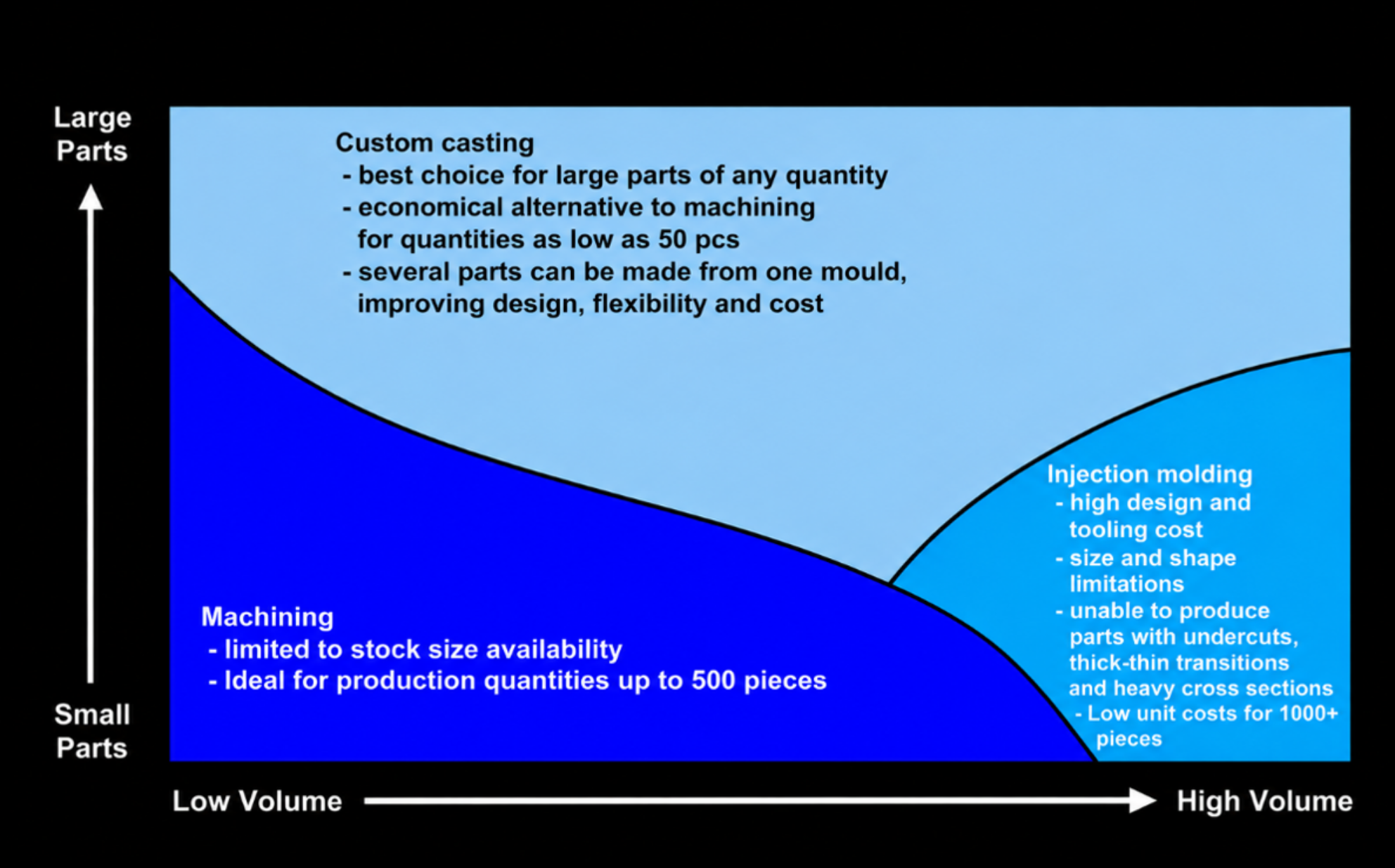
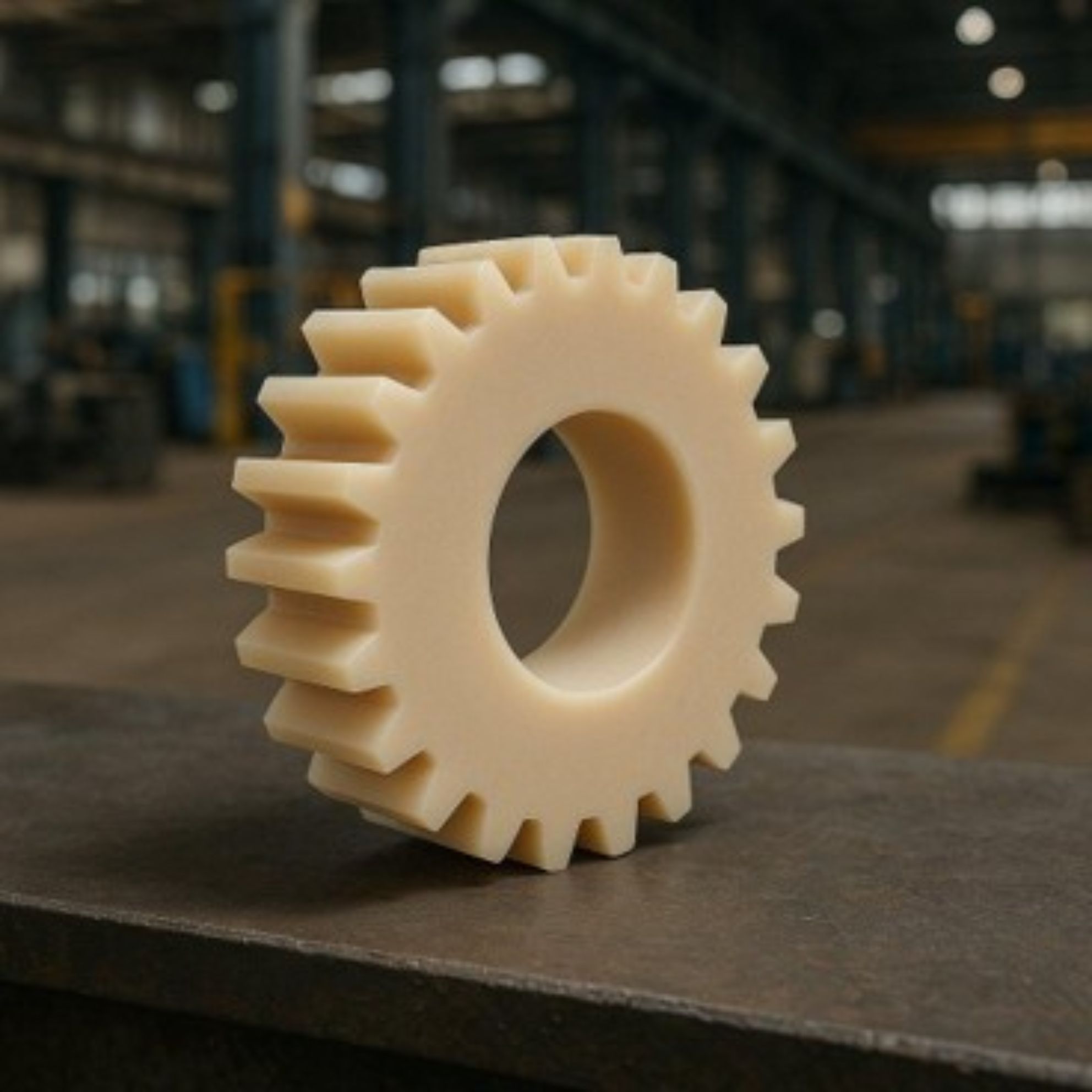
Machining plastic components from rod, sheet or other stock shapes is particularly suited to low-volume production and applications where design flexibility is important.
Advantages
- No tooling costs, with limited set-up required.
- Fast turnaround, as production can begin without the tooling process required for moulding.
- Practical for quantities from one piece up to around 500 pieces, depending on the size and shape.
- Design changes can generally be made during production or between batches with little or no additional tooling cost.
Limitations
- Higher unit costs than injection moulding for larger production runs.
- Production times can be longer than injection moulding once injection moulding tooling is established.
- Limited to material choices available in stock shapes such as rod and sheet.
- Some limitations with complex shapes compared with moulding.
- Limited colour options.
Injection Moulding
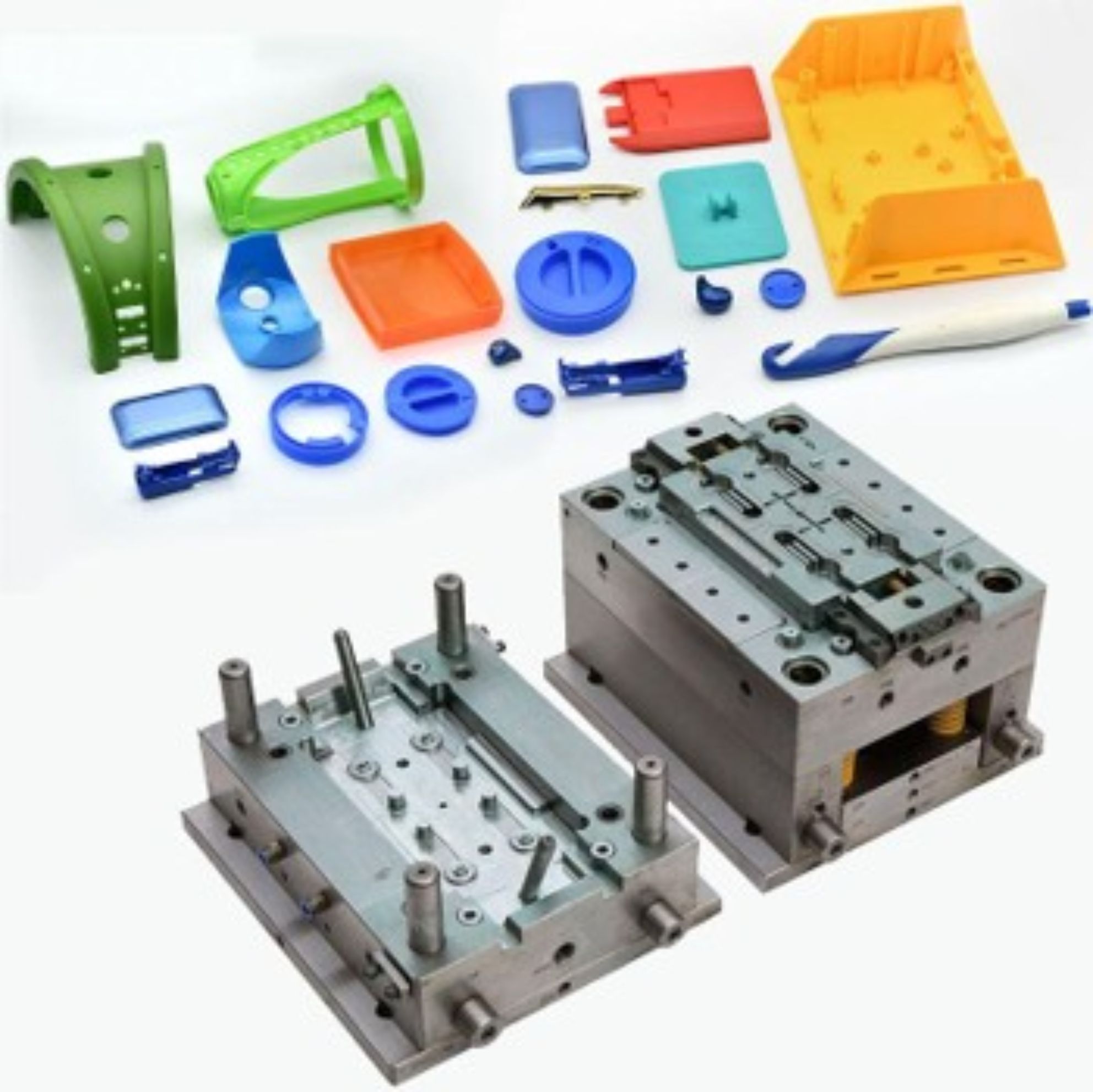
Injection moulding is well suited to repeat production runs where high volumes and low unit costs are important.
Advantages
- Low unit cost at higher production volumes.
- Fast production times once the tooling has been manufactured.
- Broad choice of materials and grades.
- Wide choice of colours.
- Well suited to complex and contoured shapes.
- Particularly suitable for repeat production runs.
Limitations
The main consideration is the initial investment. Injection moulding requires part design, tool design and the manufacture of the mould, resulting in significantly higher set-up costs, and the time required for these steps before production can start.
It is therefore generally less suited to low-volume production.
Part geometry can also influence the suitability of the process. For example, variations in wall thickness within the same component can present production and quality issues, with consistent wall thickness generally preferred.
Custom Casting
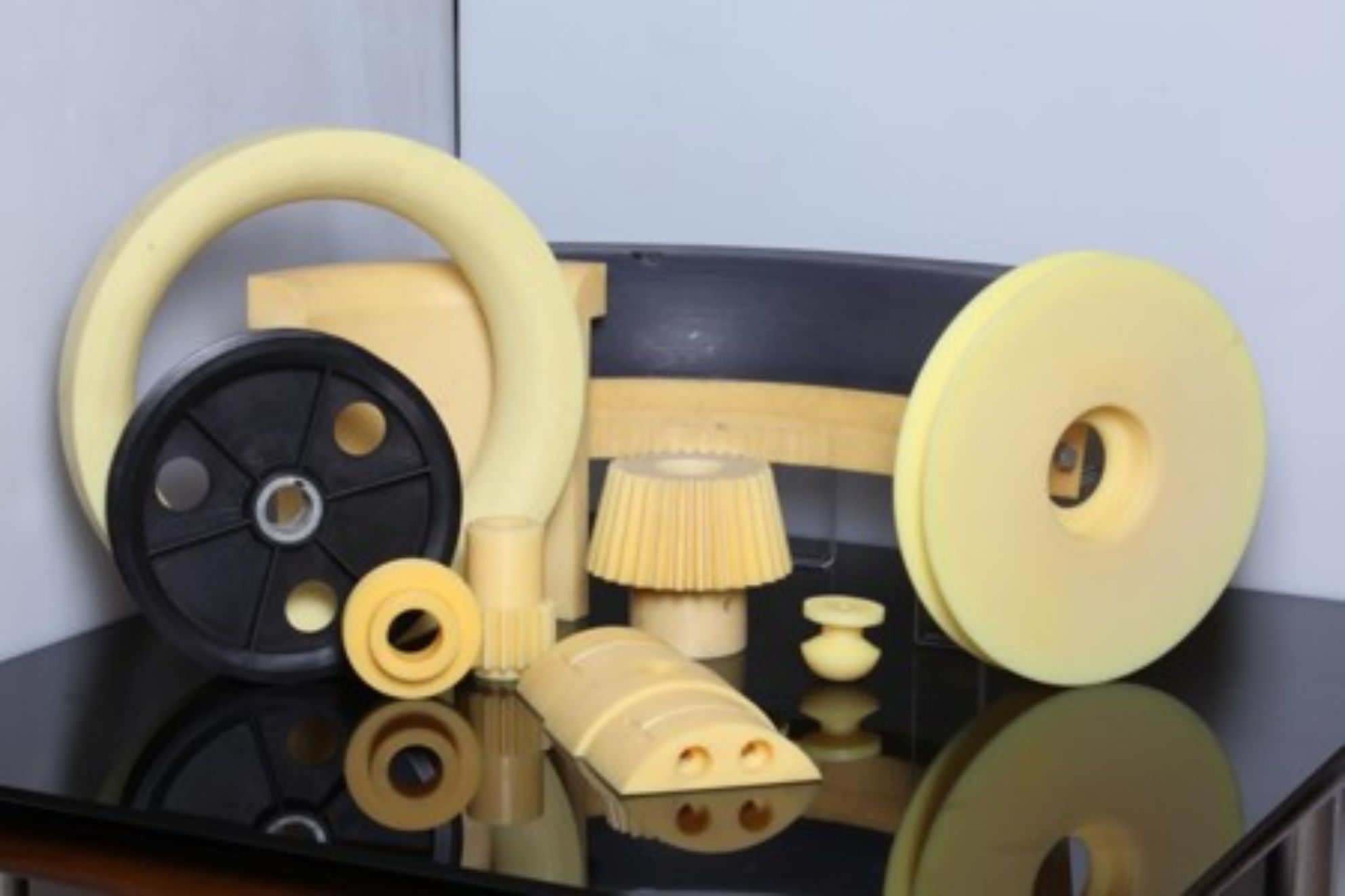
Custom casting provides another option, particularly for large components that are impractical to manufacture by injection moulding or machining.
Advantages
- Ideal for large parts that cannot practically be made using injection moulding or machining.
- Flexible across different production quantities.
- Lower tooling costs than injection moulding.
- Lower set-up times than injection moulding.
- Suitable for repeat production.
- The polymer is formed in the mould, resulting in good polymer chain quality.
Limitations
- Material selection is more limited, with the process primarily designed for cast nylons.
- Limited colour options.
- Dimensional tolerances are generally broader than machining or injection moulding. Critical surfaces may therefore require additional machining where tighter tolerances are required.
Which manufacturing process is right for your part?
There is no single manufacturing process that suits every application.
As a general guide:
Requirments | Machining | Injection Moulding | Custom Casting |
|---|---|---|---|
Low quantities | Excellent | Limited | Good |
High quantities | Limited | Excellent | Good |
Large components | Limited by stock size | Limited | Excellent |
Design changes | Easy | More costly after tooling | More costly after tooling |
Complex shapes | Moderate | Excellent | Good |
Tooling investment | None | High | Moderate |
Material choice | Good | Broad | Limited |
The most appropriate process should be considered at the design stage, taking into account part size, production quantity, geometry, material requirements and dimensional tolerances.
At Dotmar, we can help assess the application and determine which manufacturing approach is most appropriate for your plastic component.
Need help selecting the right manufacturing process? Contact Dotmar's engineering team to discuss your application.